Heat Therapy vs Red Light Therapy: What's the Difference?
Both heat and red light can feel soothing, but they work in different ways. Here's what you need to know.
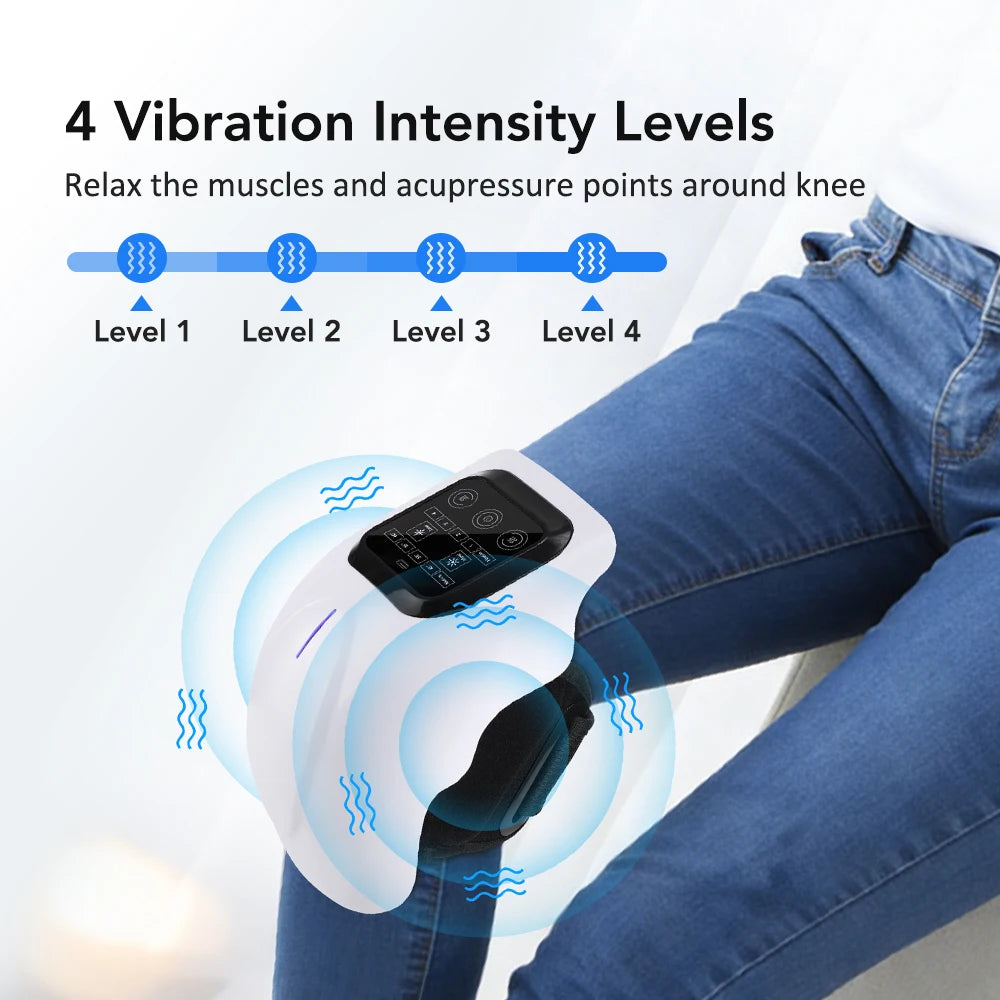
If you're considering a knee massager that offers both heat and red light therapy, you might be wondering: what's the difference? While both can feel relaxing and soothing, they work through different mechanisms and offer distinct benefits. Understanding how each works can help you use your device more effectively.
How Heat Therapy Works
Heat therapy (also called thermotherapy) is one of the oldest and most intuitive wellness practices. When you apply warmth to an area of your body, it works primarily at the surface level:
- Increases blood flow to the warmed area by dilating blood vessels
- Relaxes muscles and helps them feel less tense
- Provides immediate comfort — warmth simply feels good
Heat therapy is especially popular for soothing stiff muscles and joints. Most knee massagers offer adjustable heat settings ranging from around 113°F (45°C) to 140°F (60°C), allowing you to customize the warmth to your comfort level.
How Red Light Therapy Works
Red light therapy is a more modern approach that uses specific wavelengths of light to penetrate deeper than heat alone:
- Uses specific wavelengths — typically red light (630-660nm) and near-infrared (810-850nm)
- Penetrates deeper than visible light or surface heat, reaching into underlying tissues
- Non-thermal effect — red light itself doesn't produce heat; it works through light absorption
While heat therapy has been used for centuries, red light therapy is a more recent innovation that has gained popularity in wellness and relaxation circles. Many people incorporate red light sessions into their evening wind-down routines.
Key Difference in Simple Terms
Heat therapy works at the surface level by warming your skin and the immediate underlying tissues. You feel it right away as warmth.
Red light therapy uses specific light wavelengths that can penetrate deeper into tissues without creating heat. It's a different type of energy delivery entirely.
Why Use Both Together?
Modern knee massagers often combine both heat and red light therapy — and for good reason. Using them together can create a more comprehensive relaxation experience:
- Complementary approaches: Heat works at the surface while red light penetrates deeper
- Immediate and sustained comfort: Heat feels good right away; red light adds a deeper dimension
- Customizable experience: You can adjust heat levels independently while still getting red light exposure
Think of it like this: heat is the immediate, comforting warmth you can feel instantly, while red light is working at a deeper level throughout the session. Together, they create a more complete relaxation experience.
Which One Should You Use?
The short answer: both! If your device offers both heat and red light, there's no reason not to use them together. However, you can also customize based on your preferences:
- Prefer immediate warmth? Focus on the heat settings and find your ideal temperature
- Want deeper penetration? Make sure the red light LEDs are activated
- Maximum relaxation? Use both heat and red light together at comfortable levels
💡 Pro Tip
Start on the lowest heat setting and gradually increase as needed. Everyone's heat tolerance is different. The red light works regardless of heat level, so you don't need to crank up the temperature to get the light therapy benefits.
Safety Reminders
- Always start with the lowest heat setting and work your way up
- Stop using immediately if you feel any pain, burning, or discomfort
- Do not look directly into the red LEDs
- Consult your doctor if you have any medical conditions before use
Experience Both Heat and Red Light
Our Cordless Red Light Knee Massager combines 16 red/infrared LEDs with 4 adjustable heat levels for the ultimate relaxation experience.
Shop NowDisclaimer: This content is for informational purposes only and is not medical advice. Red light knee massagers are comfort and wellness products, not medical devices. They are not intended to diagnose, treat, cure, or prevent any disease. Consult your healthcare provider before use if you have any medical conditions.